The Way is Shut

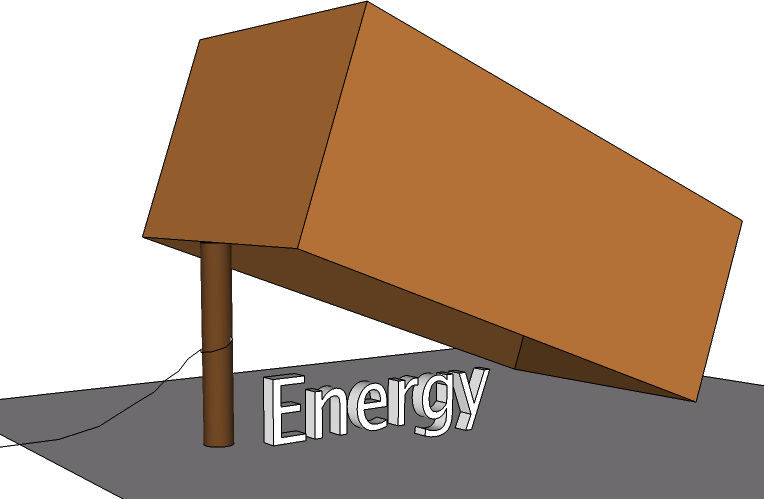
When I first approached the topic of societal energy in 2004, I became aware for the first time that our energy future was not in the bag, and proceeded to explore alternative after alternative to judge the viability and potential pitfalls of various options. I have retraced my steps in Do the Math posts, exposing the scales at which different energy sources might contribute, and the practical complexities involved. My spooky campfire version of the story, a la Tolkien: The Way is Shut.

Alright, I’m overstating things a bit. The good news is that there do exist energy flows and sources that qualify as abundant or at least potent. However, many of the alternatives represent ways to produce electricity, which applies only to about one-third of our current energy demand. The immediate threat is therefore the short term liquid fuels crunch we will see when the global petroleum decline commences within the decade.

In this post, I will reflect on the lessons we learn after having characterized the various alternatives to fossil fuels. There will still be some tidying-up to do on energy alternatives not treated thus far, but by and large the nature of content on Do the Math is about to pivot toward addressing the question “What can we do now?” In some sense, a common thread so far has been: “easier said than done,” or “don’t count on that technology saving our bacon.” I’ve closed all the exits to get your attention. We’re boxed in. Okay, the exits aren’t really closed: they’re just not as wide open as they would need to be for me to be complacent. So now we’ll start looking at ways to nose out of our box in a safe and satisfying way.

Continue reading

Views: 15185

The Future Needs an Attitude Adjustment

Festivus Pole.

Kids these days. When I was a lad, tantrums were redressed with a spanking. Heck, spankings (at school) were answered by further spanking (at home). In polite company, we might apply the euphemism “attitude adjustment” to mask the unpleasant image of a bawling kid bent over the knee getting red in the tail. I’m not going to wade into the issue of whether or not such treatment is the most effective way to shape responsible adults, but I will say that I think our society needs some sort of attitude adjustment when it comes to expectations of our future. I’ll take a pause from the renewable energy juggernaut recently featured on Do the Math and offer some seasonal scolding. Think of it as my “airing of grievances” component of Festivus: “a holiday for the rest-of-us,” as introduced on Seinfeld.

Continue reading

Views: 14736

The Energy Trap

[This topic also appears in Chapter 18 of the Energy and Human Ambitions on a Finite Planet (free) textbook.]

Many Do the Math posts have touched on the inevitable cessation of growth and on the challenge we will face in developing a replacement energy infrastructure once our fossil fuel inheritance is spent. The focus has been on long-term physical constraints, and not on the messy details of our response in the short-term. But our reaction to a diminishing flow of fossil fuel energy in the short-term will determine whether we transition to a sustainable but technological existence or allow ourselves to collapse. One stumbling block in particular has me worried. I call it The Energy Trap.

In brief, the idea is that once we enter a decline phase in fossil fuel availability—first in petroleum—our growth-based economic system will struggle to cope with a contraction of its very lifeblood. Fuel prices will skyrocket, some individuals and exporting nations will react by hoarding, and energy scarcity will quickly become the new norm. The invisible hand of the market will slap us silly demanding a new energy infrastructure based on non-fossil solutions. But here’s the rub. The construction of that shiny new infrastructure requires not just money, but…energy. And that’s the very commodity in short supply. Will we really be willing to sacrifice additional energy in the short term—effectively steepening the decline—for a long-term energy plan? It’s a trap!

Continue reading

Views: 46371

Sustainable Means Bunkty to Me

What? Don’t know what bunkty means? Now you know how I feel about the word “sustainable.” My paper towels separate into smaller segments than they once did. It’s sustainable! These potato chips arrive in a box that says SUSTAINABLE in big letters on the side. I’m eating green!  When I’m in a hotel, I hang the towel back up rather than throw it on the floor (would I ever do this anyway?) and the placard says I’m being sustainable. Can it be that easy? I claim that not one among our host of 7 billion really knows what our world would look like if we lived in a truly sustainable fashion.  Let’s try to come to terms with what it might mean.

I think most would agree that the rapid depletion we currently witness in natural resources and services, climate stability, water availability, soil quality, and fisheries—to name a few—suggests that we do not live sustainably at present. We can not expect to keep up our current practices with 7 billion people in this world without some major changes.

Continue reading

Views: 46126

Power Out, People Out

Yesterday at about 15:40 local time, San Diego lost power—along with many other parts of Southern California, Arizona, and Mexico. Our power was out for 11 hours. The experience was fascinating for me, because it changes the rules of the game suddenly, and exposes certain fragilities in our system. This is a brief account of what I learned from the experience. Continue reading

Views: 1966

Discovering Limits to Growth

After inaugurating the Do the Math blog with two posts on the limits to physical and economic growth, I thought it was high time that I read the classic book The Limits to Growth describing the 1972 world computer model by MIT researchers Meadows, Meadows, Randers, and Behrens. I am deeply impressed by the work, and I am compelled to share the most salient features in this post.

To borrow a word from a comment on the Do the Math site, I’m gobsmacked by how prescient some of the statements and reflections in the book are. Leaving aside remarkably good agreement in the anticipated world population and CO2 levels thirty years out (can’t fake this), I am amazed that many of the thoughts and conclusions I have formed over the past several years are not at all new, but were in black-and-white shortly after I was born. Continue reading

Views: 9882